Get ready to look up because the year 2026 is bringing us an absolutely spectacular celestial gift! The Lyrid meteor shower is one of the most anticipated events for stargazers around the world, and the 2026 showing promises to be a breathtaking display of cosmic fireworks. Whether you are a seasoned astronomer with high-tech equipment or a casual observer who just loves the mystery of the night sky, this event is something you simply cannot miss. The Lyrids are known for their fast, bright meteors and the occasional, jaw-dropping fireball that streaks across the heavens, leaving a glowing trail of ionized gas in its wake.
This incredible display occurs every year in late April, but 2026 is shaping up to be a particularly fantastic year for viewing. The Lyrid meteor shower is expected to be active from approximately April 16 through April 25, with the grand finale—the peak—occurring on the night of April 21 and into the early morning hours of April 22. What makes this specific year so exciting is the favorable positioning of the moon. During the 2026 peak, we will be treated to a waxing crescent moon that sets well before the prime viewing hours of the early morning. This means the sky will be dark and velvety, providing the perfect high-contrast backdrop for the meteors to shine their brightest!
The history of the Lyrids is just as fascinating as the meteors themselves. These are not just random rocks; they are the ancient debris left behind by Comet C/1861 G1 Thatcher. This comet takes about 415 years to orbit the Sun, and every year, Earth passes through the trail of dust and small particles it leaves behind. When these tiny fragments of comet dust hit our atmosphere at staggering speeds of about 110,000 miles per hour, they vaporize, creating the brilliant streaks of light we see from the ground. People have been recording the Lyrids for over 2,700 years, making it one of the oldest known meteor showers in human history. When you watch a Lyrid meteor, you are literally witnessing a piece of ancient cosmic history burning up in a flash of glory.
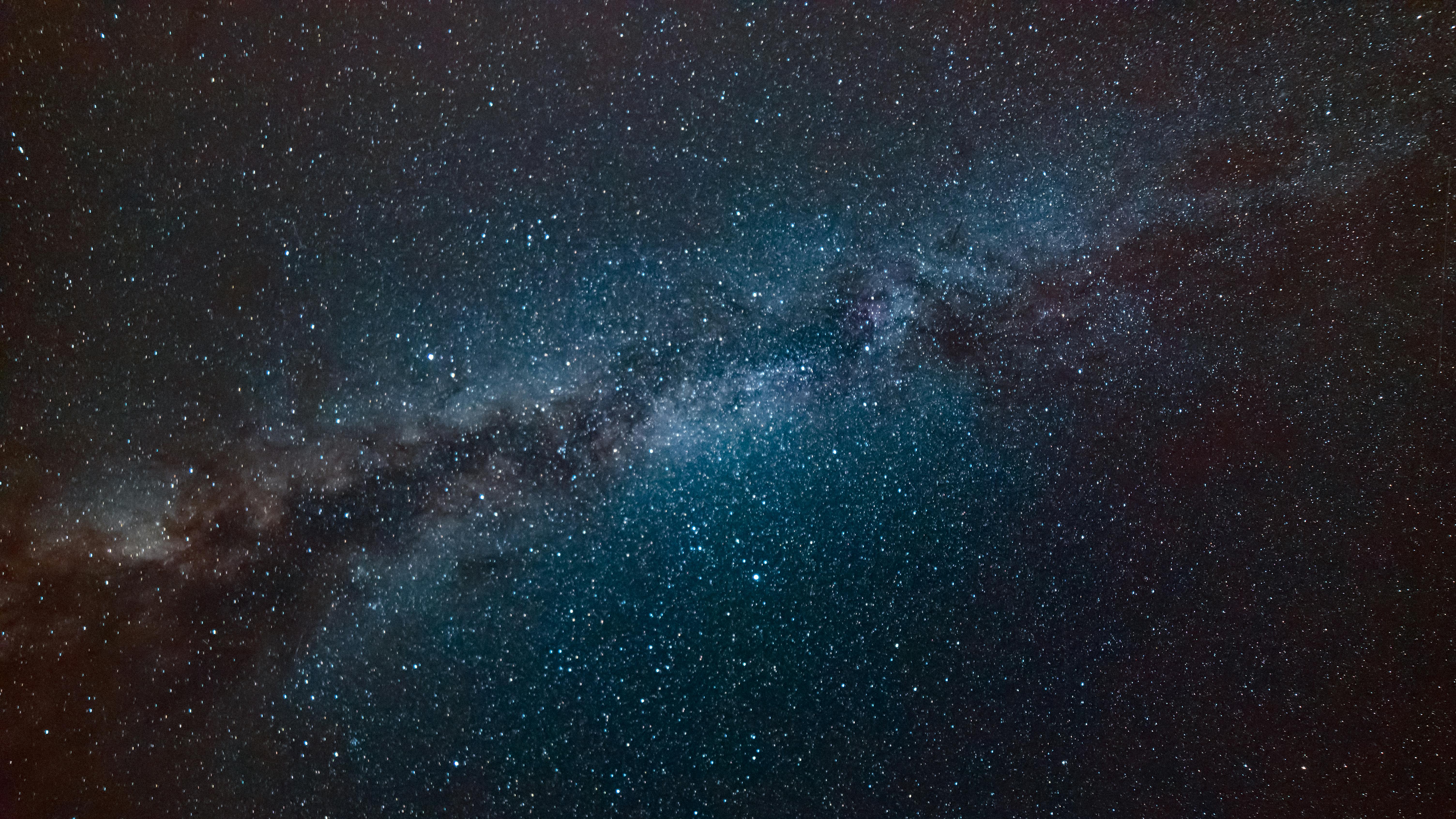
So, how can you make the most of this spectacular event? The best part about the Lyrid meteor shower is that you don't need any expensive telescopes or fancy binoculars to enjoy it. In fact, your own eyes are the best tool for the job because they provide a wide field of view, allowing you to catch meteors as they zip across different parts of the sky. To get the best experience, you should plan to get away from the bright lights of the city. Light pollution can drown out the fainter meteors, so finding a dark spot in a park, a rural field, or a backyard away from streetlights will make a world of difference. Once you find your spot, give your eyes about 20 to 30 minutes to adjust to the darkness. You’ll be amazed at how many more stars—and meteors—you can see once your vision adapts.
When you are out there under the stars, look toward the constellation Lyra, the Harp, which is where the meteors appear to radiate from. Specifically, look for the bright star Vega, which is one of the most prominent stars in the northern hemisphere’s spring and summer sky. While the meteors seem to originate from this point, they can actually appear anywhere in the sky. It is often better to look slightly away from the radiant point so you can see the longer, more dramatic streaks as they travel across the atmosphere. In a typical year, you can expect to see about 15 to 20 meteors per hour during the peak, but the Lyrids are known for their "outbursts" where that number can skyrocket significantly!
Preparation is key to a comfortable and joyful night of stargazing. Since the peak occurs in late April, the nights can still be quite chilly, even in warmer climates. Bring plenty of blankets, a reclining lawn chair, or even a sleeping bag so you can lie flat on your back and look straight up without straining your neck. Consider bringing a thermos of hot chocolate or coffee to keep you warm and alert during the quiet moments between the "shooting stars." This is a wonderful opportunity to disconnect from our digital screens and reconnect with the vastness of the universe. There is something truly magical and humbling about sitting in the stillness of the night, waiting for a spark of light to dash across the constellations.
The 2026 Lyrid meteor shower is more than just an astronomical event; it is a moment of wonder that brings people together. It’s a chance to gather with friends and family, share stories under the starlight, and make a wish on a falling star. The sheer speed and beauty of these meteors serve as a vivid reminder of our place in the cosmos. So, mark your calendars for April 2026, keep an eye on the weather forecast for clear skies, and prepare yourself for an unforgettable night of celestial magic. The universe is putting on a show, and you have a front-row seat to the brilliance of the Lyrids!

No comments:
Post a Comment