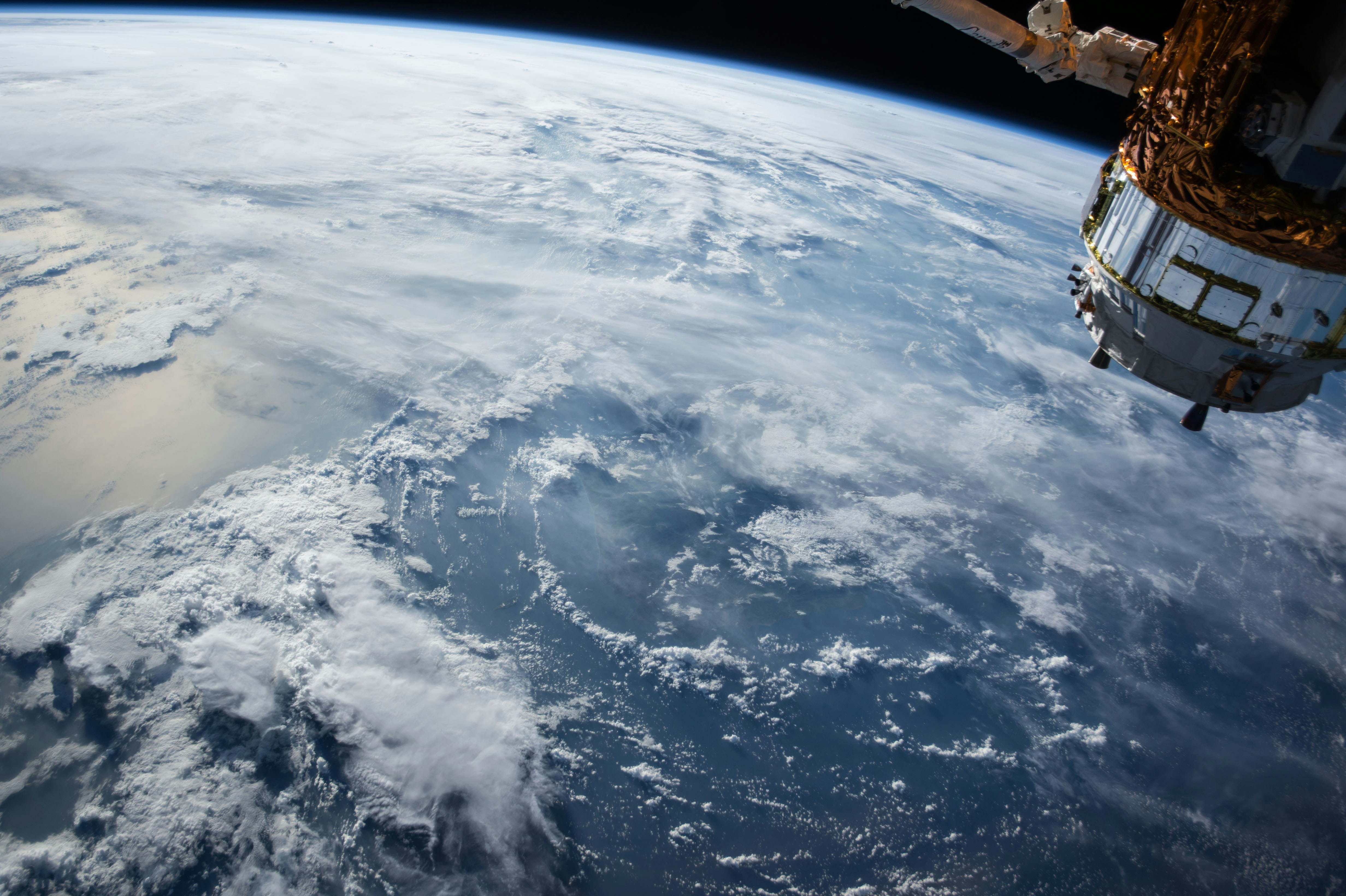
Imagine a world where the heavy pull of gravity no longer dictates the rules of physics, where fluids dance in mid-air, and where flames burn in perfect, glowing spheres of blue. This isn’t a scene from a high-budget science fiction film; it is the daily reality aboard the International Space Station! Floating hundreds of miles above our heads, this magnificent orbiting laboratory serves as a beacon of human ingenuity and a bustling hub for some of the most mind-blowing scientific discoveries of our time. Every single day, dedicated crews of explorers and scientists are pushing the boundaries of what we thought was possible, conducting experiments that simply cannot be performed anywhere else on our home planet.
In this unique microgravity environment, the fundamental nature of the universe reveals itself in ways that are absolutely electrifying. Researchers are finding that the absence of gravity allows them to look at physical and biological processes through a completely new lens. For instance, when we study how fluids move in space, we aren't just playing with water droplets; we are unlocking the secrets of capillary action and fluid dynamics that will help engineers design more efficient cooling systems for electronics and better fuel delivery systems for the spacecraft of tomorrow. The sheer excitement of seeing a scientific theory come to life in such a visible, tangible way is enough to inspire anyone who dreams of the stars!
One of the most thrilling frontiers being explored right now is the field of space-based medicine. Because the human body reacts differently to the weightless environment, the space station has become a vital center for studying human health and aging. Scientists are utilizing "tissue chips"—tiny, complex devices that mimic the functions of human organs—to test how various diseases progress and how new drugs can stop them. Because biological processes often happen faster in space, researchers can gain insights in a matter of weeks that might take years to observe on Earth. This high-speed research is paving the way for revolutionary breakthroughs in treating osteoporosis, muscle atrophy, and heart disease, offering hope and healing to millions of people worldwide.
But the innovation doesn't stop with human biology; it extends to the very food we eat! Our brave astronauts are becoming the solar system’s first space farmers, tending to vibrant gardens under specialized LED lights. Watching a head of crisp lettuce or a beautiful zinnia flower bloom in the middle of a spacecraft is a testament to life’s incredible resilience. These botanical experiments are crucial because they teach us how to sustain life during long-term missions to the Moon and eventually to Mars. Beyond the nutritional value, the psychological boost of seeing green, living things helps keep the crew connected to Earth, proving that nature is a vital part of the human experience no matter where we are in the galaxy.
Furthermore, the space station is acting as a high-tech factory in the sky, demonstrating the future of manufacturing. In the microgravity environment, we can 3D print tools and even biological tissues with a level of precision that is nearly impossible to achieve on the ground. Without the weight of gravity causing layers to sag or distort, the structural integrity of these printed materials is phenomenal. We are looking toward a future where a spacecraft can print its own replacement parts on demand, or where we can manufacture high-quality fiber optic cables that are significantly clearer and faster than anything produced in a terrestrial factory. The potential for commercial innovation in orbit is truly limitless!
Every single discovery made on this orbiting platform serves as a vital stepping stone for our next great adventure. We are currently testing the sophisticated life support systems and radiation shielding that will protect the next generation of pioneers as they return to the lunar surface and venture onward to the Red Planet. The data gathered on how the human spirit and body adapt to the challenges of spaceflight is the foundation upon which our future among the stars will be built. It is an era of unprecedented exploration, and the enthusiasm among the global scientific community is palpable as we unlock the mysteries of the cosmos together.
The spirit of international cooperation is perhaps the most beautiful aspect of all this work. Scientists, engineers, and dreamers from every corner of the globe are collaborating to solve the most complex puzzles of our age. This unity of purpose proves that when we look up at the night sky and work as one, there is no limit to what humanity can achieve. We are living in a golden age of discovery, where every sunrise viewed from the station brings a fresh opportunity to learn something that could change the world forever. The journey is just beginning, and the future of science in space is brighter, bolder, and more inspiring than ever before!

No comments:
Post a Comment